Why pipes burst in Colorado Springs
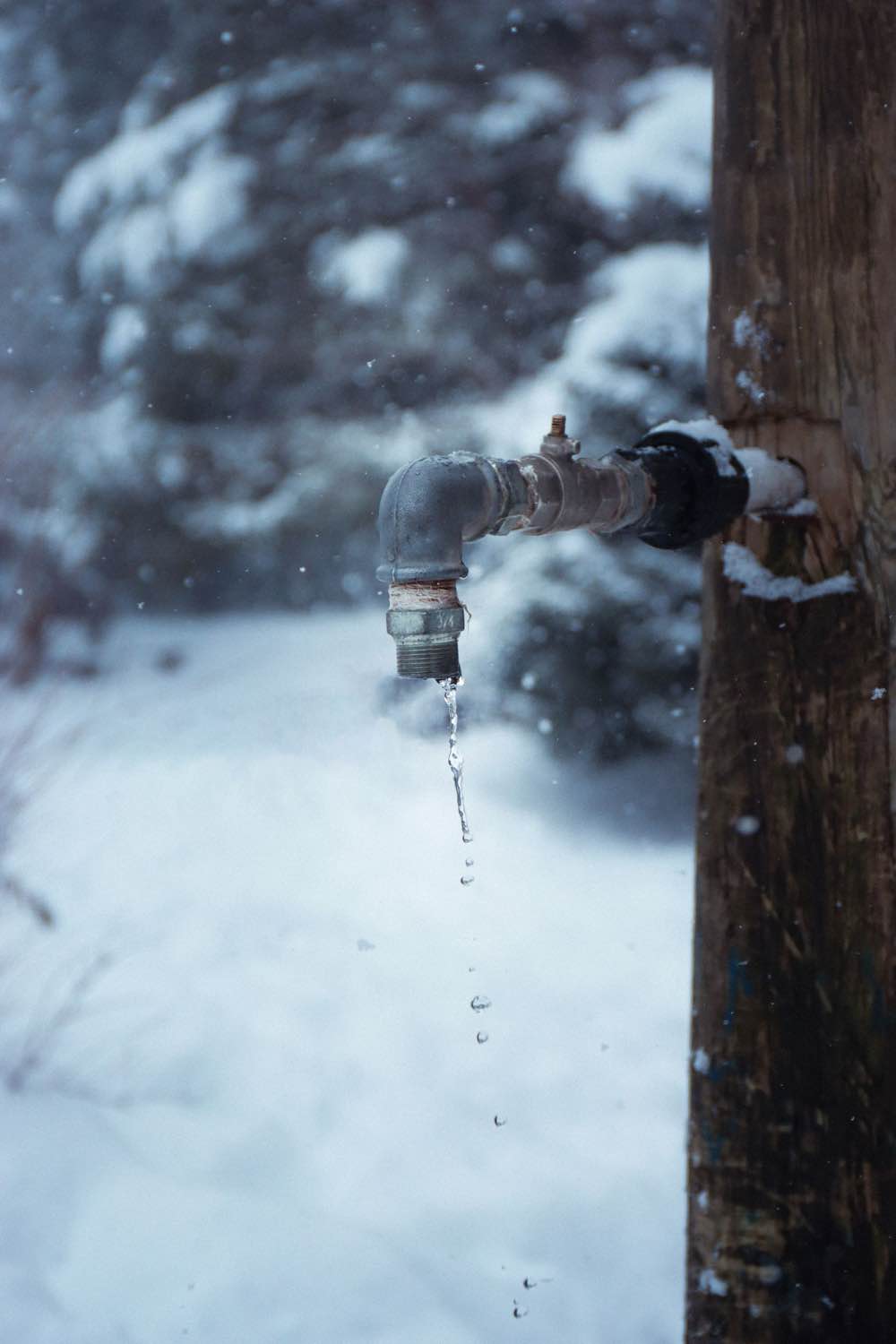
Colorado Springs winters swing between mild sunny days and sharp cold snaps. When temperatures drop hard, water in exposed pipes can freeze. Ice expands, pressure builds between the ice and a closed faucet, and the pipe splits. The leak often doesn't show until the pipe thaws, which is why burst pipes are frequently found a day after the coldest night, or when someone comes home from a trip.
Pipes most at risk:
- In exterior walls, especially on the north side of the house.
- In crawl spaces, attics, and garages.
- Under kitchen and bathroom sinks on outside walls.
- Outdoor hose bibs that weren't shut off and drained, and sprinkler lines.
- In vacant homes or rooms where the heat was turned down.
Colorado Springs Utilities publishes tips for preventing frozen water lines, including insulating pipes, opening cabinet doors on cold days, letting a thin stream of cold water run in extreme cold, and keeping the heat set at 55 or higher when you're away. Our frozen pipe prevention guide goes through them.
Signs of a frozen or burst pipe
- A faucet that gives only a trickle, or nothing, on a very cold morning.
- Frost on an exposed pipe.
- Water stains or bulging on a ceiling or wall, often below a bathroom or along an outside wall.
- The sound of running water when nothing is on.
- A sudden jump in your water bill or a water meter that keeps moving when everything's off.
What to do right now
- Shut off the main water. Know where your shutoff is before winter. If the leak is on the hot side, also close the water heater's cold supply valve.
- Open faucets to drain the lines and relieve pressure.
- Watch the electricity. If water is coming through a ceiling light or near outlets, turn off that circuit at the breaker if the panel is dry and safe to reach.
- Poke a small hole in a bulging ceiling only if it's safe and you have a bucket under it. A sagging ceiling full of water can come down; stay out from under it.
- Document the damage with photos and video.
- Call a plumber to fix the pipe, and call (719) 722-2575 to get connected with a restoration company to dry out the house.
If a pipe is frozen but hasn't burst, Colorado Springs Utilities suggests thawing it gently with a hair dryer, starting near the faucet. Never use an open flame.
How the job usually goes
- Plumbing repair. A plumber repairs the split section. Restoration companies usually don't do the plumbing themselves, though some coordinate it.
- Inspection. The restoration pro traces where water went: often down inside a wall, across a ceiling, and into the floor below.
- Extraction. Water is pulled from carpet and floors.
- Opening up. Wet ceiling drywall usually has to come down, and wall drywall may be cut to dry the cavity behind it.
- Drying. Air movers and dehumidifiers for several days, with moisture checks. See water extraction and drying.
- Repairs. New drywall, texture, paint, and flooring.
A pipe in an upstairs bathroom can damage two floors and the ceiling in between, so a small split can become a big job.
What affects the price
How long the water ran before it was shut off matters more than anything. A pipe that sprayed for an hour while you were home is a very different job from one that ran for two days while you were away. Number of rooms and floors affected, how much drywall and flooring comes out, and how long drying takes drive the rest. See the cost guide.
Insurance notes
Sudden pipe bursts are commonly covered by homeowners policies, but there are conditions. Many policies exclude or limit freeze damage if the home was vacant or the heat wasn't maintained. This is general information, not advice. Check your policy wording and ask your insurer. See our insurance guide.
Frequently asked questions
Will a plumber dry out the house?
Usually not. Plumbers fix the pipe. Drying, removing wet materials, and rebuilding is restoration work. Some companies do both or work together.
The pipe thawed and stopped leaking. Am I fine?
Not necessarily. Water may have run inside a wall or under the floor. A moisture check is worth it, because trapped water can lead to mold within days.
How do I stop it happening again?
Insulate exposed pipes, seal drafts near them, disconnect hoses and shut off outdoor spigots in fall, and keep the heat on when you travel. Our prevention guide has the details.
What about sprinkler systems?
Sprinkler lines should be blown out before the first hard freeze. A cracked backflow preventer or line usually leaks outside, but it can also flood a basement if the shutoff is inside.