About Black Forest
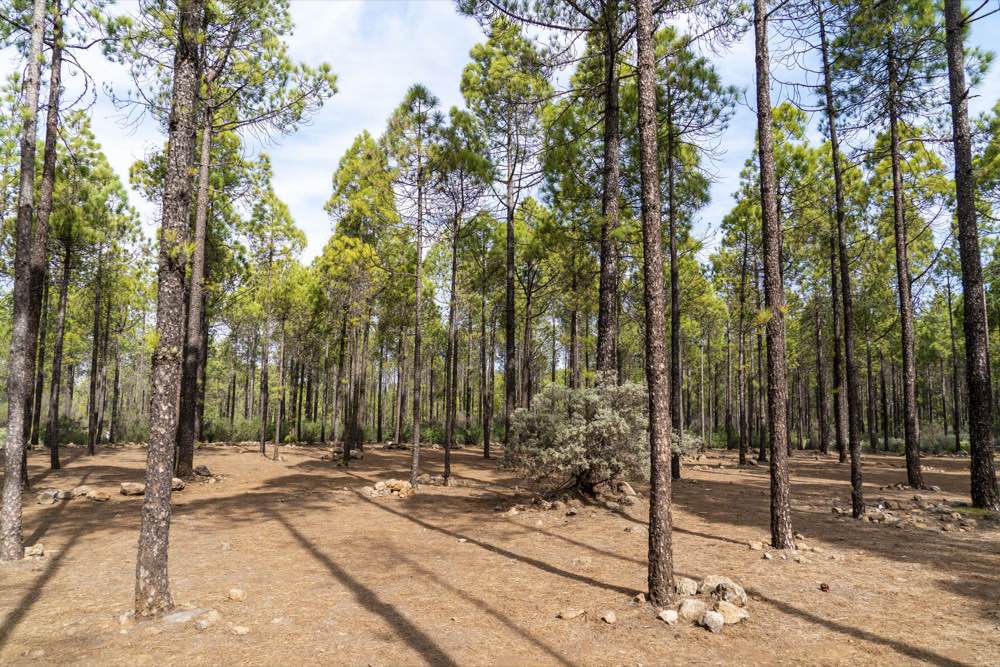
Black Forest is an unincorporated area northeast of Colorado Springs, between the city and Monument, named for its dense stands of ponderosa pine. Homes sit on large wooded lots, often several acres, along gravel and paved roads. Most properties use private wells and septic systems.
In June 2013 the Black Forest fire burned through the area, destroying roughly 500 homes and killing two people. Many homes have been rebuilt since, and the fire shapes how people here think about smoke, defensible space, and insurance.
What Black Forest homeowners deal with
Wildfire smoke. Even homes that weren't touched by flames can take in smoke and ash during a nearby fire. Residue settles in attics, ductwork, carpet, and fabrics. See wildfire smoke damage and our guide on smoke odor after a wildfire.
Frozen pipes and well lines. The area sits at higher elevation on the Palmer Divide side of the county, and winters can be cold. Pipes in crawl spaces, well houses, and exterior walls freeze in hard cold snaps. See burst pipe water damage.
Septic backups. A full tank or failing leach field can push wastewater into the lowest drains of the house. That's contaminated water. See sewage backup cleanup.
Mold in crawl spaces and basements. Long, slow leaks under the house can go unnoticed on large properties where nobody spends time in the crawl space. See mold removal.
Snow, trees, and roofs
Heavy wet spring snow can bring down ponderosa limbs onto roofs. A punctured roof lets water into the attic and ceilings below. If a tree or limb is on the house, stay out of the rooms underneath, tarp if it's safe, and call (719) 722-2575 for the water side of the damage.
Permits
Building permits for repairs in unincorporated El Paso County, including Black Forest, go through the Pikes Peak Regional Building Department.
Questions from Black Forest homeowners
Our house smells like smoke every time a fire burns nearby. Is that damage?
Lingering odor after the air clears can mean residue in the attic, ducts, or fabrics. A restoration pro can assess it. Document it with photos and talk to your insurer.
How do I stop the well line from freezing?
Insulation, heat tape where appropriate, and keeping the well house heated are common steps. A well contractor can tell you what fits your setup.