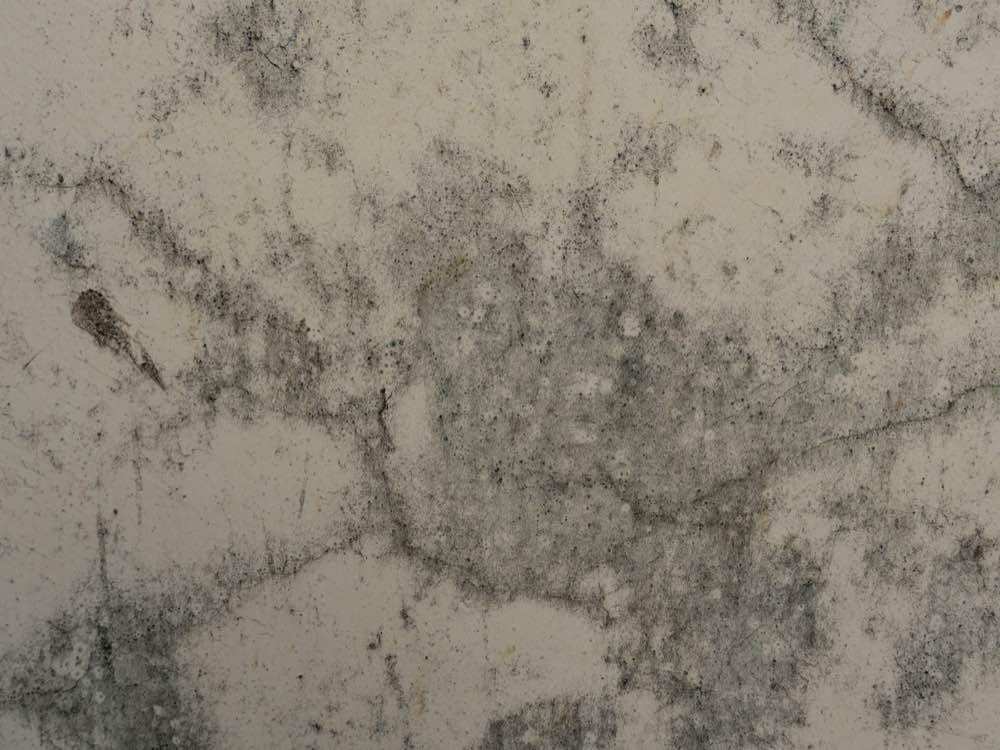
Remediation vs. "killing" mold
You'll hear a lot of marketing about killing mold with sprays and foggers. The EPA's guidance is more practical: the goal is to fix the water problem, clean up the mold, and dry everything. Dead mold can still cause reactions in sensitive people, so physical removal matters more than whether a product "kills" it.
Mold remediation is that full process done in a controlled way, so cleaning up one area doesn't spread spores to the rest of the house.
When remediation is needed
- Mold covering more than about 10 square feet. The EPA uses 10 square feet as the rough line between a do-it-yourself job and one that may need professional help.
- Mold inside wall cavities, ceilings, attics, crawl spaces, or ductwork.
- Mold after sewage backups or flood water.
- Mold that keeps returning after cleaning.
- A real estate transaction where you need documented cleanup.
Warning signs of a bigger problem
- A strong musty smell, even if you can't see mold.
- Mold on the back of drywall when you remove a baseboard or outlet cover.
- Stains or soft spots on drywall near past leaks.
- Mold in multiple rooms, which can point to an HVAC or humidity issue.
What to do before the crew arrives
- Stop the moisture source if you can: shut off a leaking line, run a dehumidifier in a damp basement.
- Don't disturb it. Avoid scraping, sanding, or tearing out moldy drywall yourself.
- Close doors to the area and avoid blowing air out of it.
- Take photos for records and insurance.
- Call (719) 722-2575 to get connected with a restoration company that does remediation.
How remediation usually goes
- Assessment. The pro inspects, checks moisture levels, finds the source, and writes a scope of work. Sometimes an independent inspection or test comes first.
- Containment. Plastic sheeting walls off the work area. On larger jobs, an air filtration unit creates negative pressure so air flows into the work area, not out of it.
- Protection. Workers use respirators and protective clothing.
- Removal. Moldy porous materials (drywall, insulation, carpet, ceiling tiles) are cut out, bagged, and removed. Mold on framing and hard surfaces is cleaned, often by scrubbing or sanding.
- HEPA cleanup. HEPA vacuums and air scrubbers capture loose spores and dust.
- Drying. Any remaining moisture is dried with dehumidifiers and air movers. See water extraction and drying.
- Verification. Visual checks and moisture readings confirm the area is clean and dry. Some owners hire an independent assessor for post-remediation testing.
- Rebuild. New drywall, insulation, and finishes.
Should the same company test and remediate?
Some people prefer an independent assessor to test before and after, separate from the company doing the removal, so nobody is grading their own work. It's worth considering for large jobs or real estate deals. Ask the remediation company how they verify the job is done.
Where mold hides in Colorado Springs homes
- Basements, especially finished ones after a leak or backup. See basement mold removal.
- Bathrooms without a working exhaust fan.
- Under sinks and behind dishwashers and refrigerators.
- Attics, from roof leaks, ice dams, or bathroom fans venting into the attic instead of outside.
- Exterior walls and windows where condensation forms in cold weather.
- Crawl spaces with poor ventilation or plumbing leaks.
What affects the price
Size and number of affected areas, access (attic and crawl space work is harder), containment needs, how much material comes out, testing, and rebuild. HVAC cleaning is a separate service. See our mold removal cost guide.
Insurance notes
Mold coverage varies a lot. Many policies cover it only when it results from a covered water event and may limit the amount. Mold from long-term leaks or humidity is often excluded. This is general information; check your policy.
Frequently asked questions
How long does mold remediation take?
Small contained jobs can take a day or two. Larger jobs with removal, drying, and rebuild can take longer. Ask for a timeline with the quote.
Will they need to open my walls?
If mold is inside the wall cavity, yes. Cutting out the affected drywall is usually the only way to remove it and confirm the framing is clean.
Do air purifiers fix mold?
No. HEPA air scrubbers are useful during remediation, but they don't remove mold growing on surfaces or fix moisture.
What about mold in my HVAC?
That's a specialized job. Ask the remediation company whether they handle ductwork or work with an HVAC company that does.