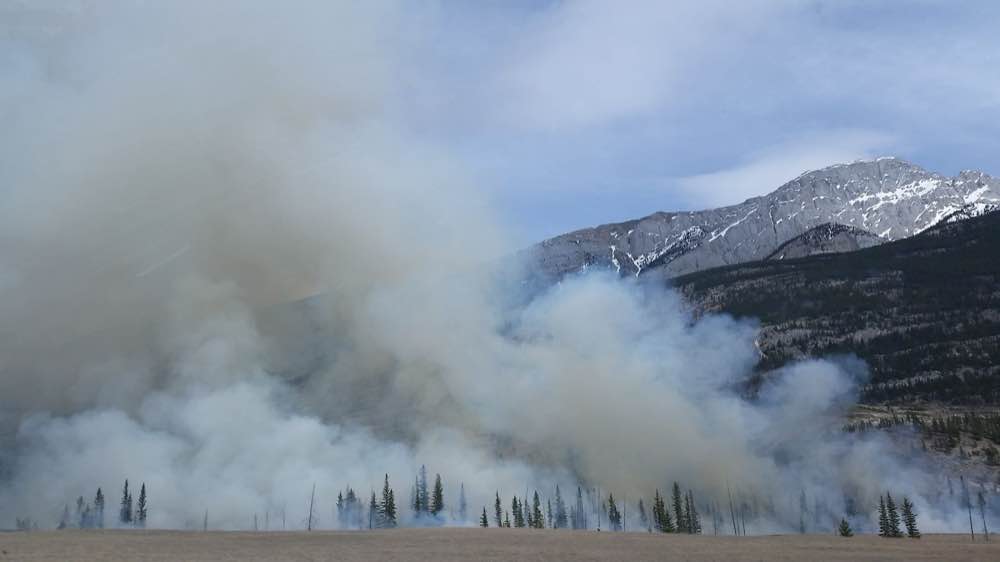
Why the smell lingers
Wildfire smoke is a mix of fine particles and gases. The particles settle on surfaces and get into fabrics, carpet, and HVAC ducts. Some of the odor-causing compounds absorb into porous materials like drywall, wood, and insulation. Airing the house out removes smoke in the air, but not what's settled into the house itself.
The EPA calls the fine particles the biggest health threat from smoke, so cleaning up residue isn't only about smell. If anyone in the house has heart or lung conditions, talk to a doctor about precautions.
During the smoke: limit what gets in
The EPA's wildfire indoor air guidance recommends:
- Keep windows and doors closed.
- Set your HVAC to recirculate, and close fresh-air intakes if you can.
- Use a portable air cleaner, or upgrade your furnace filter to a high-efficiency one (MERV 13 or higher) if your system can handle it.
- Avoid adding indoor pollution: don't burn candles, use gas stoves without ventilation, or vacuum with a regular vacuum.
You can check current conditions on the AirNow Fire and Smoke Map.
After the smoke: what works
1. Air the house out once outdoor air quality is good again. Open windows, run exhaust fans.
2. Replace HVAC filters. They'll have caught a lot of smoke. Replace them again after a week or two if they look dirty.
3. Clean hard surfaces. HEPA vacuum first to pick up fine particles, then wipe walls, counters, cabinets, window sills, and floors with damp cloths and a mild cleaner. Change cloths and water often.
4. Wash fabrics. Curtains, bedding, throws, pillow covers, and clothing. Items that can't be washed may need professional cleaning. Run washable items through more than once if the smell remains.
5. Clean carpets and upholstery. HEPA vacuum, then deep clean. Heavy odor in carpet may need professional cleaning.
6. Check the attic. Smoke and ash can come in through attic vents. If you see ash on insulation, or the attic smells strongly of smoke, have it looked at.
7. Consider duct cleaning. If the smell gets stronger when the HVAC runs, residue in the ducts is likely.
8. Use odor absorbers. Baking soda on carpet before vacuuming, or bowls of activated charcoal, can help with lingering mild odor.
What doesn't work (or makes it worse)
- Air fresheners and scented sprays. They mask the smell temporarily and add more chemicals to the air.
- Dry sweeping or a regular vacuum on fine ash. Can blow particles back into the air. Use a HEPA vacuum.
- Painting over smoke-affected walls without cleaning and a sealing primer. The odor bleeds through.
- Running an ozone generator while people or pets are home. Ozone irritates lungs. The EPA explains the concerns with ozone generators sold as air cleaners. Restoration pros sometimes use ozone in an empty house as one step; that's different from running it while you live there.
When to call a professional
- Odor persists after cleaning and airing out for a week or two.
- You see soot or ash film on walls, ceilings, or in the attic.
- Your home was close to a fire and has heavier residue.
- Smell is coming from ducts or insulation.
- Anyone in the home has respiratory issues.
Restoration companies use HEPA cleaning, specialized cleaners matched to the residue, HVAC cleaning, and odor treatments like hydroxyl generators or thermal fogging, then sealing primers where needed. See wildfire smoke damage and smoke damage cleanup.
Insurance
Smoke damage from a wildfire may be covered under your homeowners policy, depending on the policy and the damage. Take photos of residue and keep receipts for cleaning and filters. Colorado has changed some rules on wildfire-related claims in recent years; check with your insurer or the Colorado Division of Insurance for what applies. This is general information, not advice.
Frequently asked questions
How long does wildfire smoke smell last?
Light odor can fade in days with airing out and cleaning. Odor absorbed into insulation, ducts, or carpet can last much longer without professional cleaning.
Will repainting fix it?
Only after cleaning and with a primer designed to seal odor.
Are air purifiers worth it?
A good HEPA air cleaner helps with airborne particles during and after smoke events. It won't remove odor absorbed into surfaces.
Smell still there after you've tried all this? Call (719) 722-2575 to get connected with a local restoration pro.