Does my house even have one?
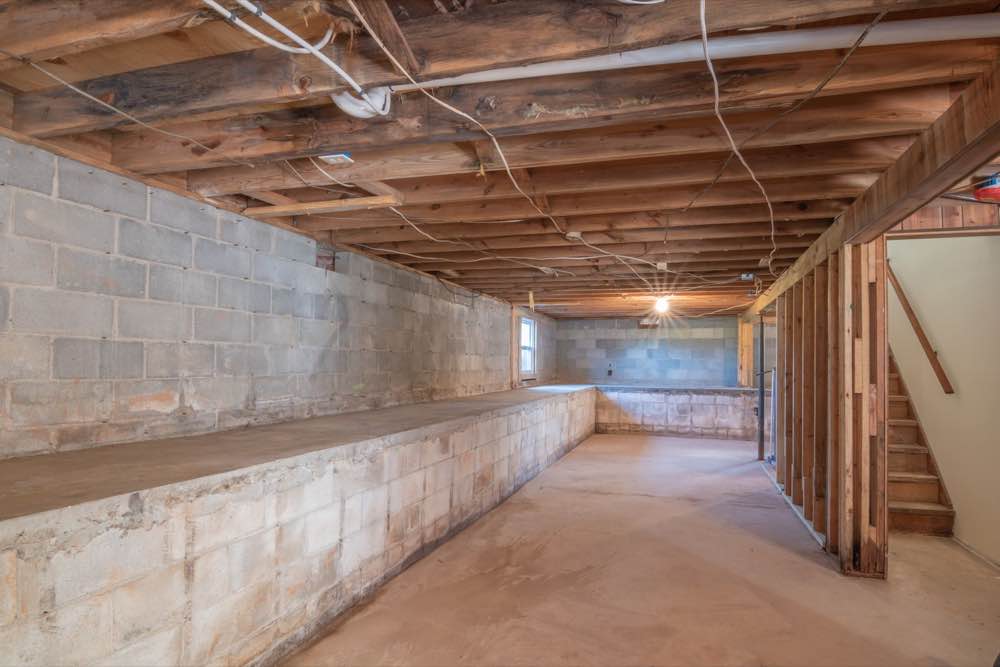
Not every Colorado Springs home has a sump pump. They're more common in homes with basements in areas where groundwater can rise around the foundation, and builders in some subdivisions install them as standard. If you have one, it's usually in a pit in the basement floor, often in a utility room or under the stairs, with a pipe running up and out through the wall.
A sump system collects water from drain pipes around the foundation (sometimes called a perimeter drain) and pumps it out and away from the house before it can come through the floor or walls.
Why sump pumps fail
- Power outages. The most common failure. Summer storms that bring heavy rain can also knock out power, exactly when the pump is needed most.
- Stuck float switch. The float tells the pump when to turn on. If it gets hung up on the pit wall or the cord, the pump never starts.
- Worn-out pump. Motors wear out, especially pumps that run often.
- Clogged intake or check valve. Gravel, silt, and debris can block the pump or keep the check valve from closing.
- Frozen or blocked discharge line. In winter, an outdoor discharge line can freeze. If it's blocked, the water has nowhere to go.
- Undersized pump for the amount of water coming in.
Warning signs
- The pump runs constantly, or cycles on and off rapidly.
- It makes grinding, rattling, or humming noises without pumping.
- It hasn't run in a long time (could mean a stuck float).
- Rust, visible damage, or a pump that's many years old.
- Water stains around the pit or damp spots on the basement floor.
How to test your pump
Every few months, and before storm season:
- Make sure it's plugged in (GFCI outlets can trip).
- Slowly pour a bucket of water into the pit.
- Watch the float rise and the pump kick on.
- Check that water is pumped out and the pump shuts off.
- Go outside and confirm water is coming out of the discharge and flowing away from the house.
If it doesn't work right, call a plumber.
Backup options
- Battery backup pump: a second pump that runs on a battery when the power goes out.
- Water-powered backup: uses municipal water pressure to pump; check with a plumber whether it's allowed and practical for your home.
- High-water alarm: an inexpensive alarm that sounds (or alerts your phone) when water rises in the pit.
- Generator: to keep the pump running in a long outage.
A plumber can recommend what makes sense for your setup.
If the pit overflows
- Stay safe. Don't step into water near outlets, extension cords, or the panel. The CDC warns against wading through standing water to reach the main power switch.
- Check the obvious: is the pump plugged in, has the breaker or GFCI tripped, is the float stuck? Only if you can do it safely.
- Remove water with a wet vac or a backup pump if it's safe.
- Move belongings up and out of the water.
- Take photos for your insurer.
- Call (719) 722-2575 to get connected with a restoration company for extraction and drying. See flooded basement cleanup.
Groundwater from a sump pit is usually considered cleaner than sewage, but if the water mixed with anything from a floor drain or came in from outside, treat it as contaminated.
After the cleanup: mold
Finished basements soaked by sump overflow often need drywall and carpet pad removed and the walls dried. If that doesn't happen within a day or two, mold can start. The EPA advises drying within 24 to 48 hours. See basement mold removal.
Insurance
Sump pump overflow is often excluded from standard homeowners policies unless you've added a water backup endorsement, which may have its own limit. Groundwater and surface flooding are generally separate from that and usually need flood insurance; see FloodSmart. This is general information, not advice. Check your policy and talk to your agent, ideally before a storm. See our insurance guide.
Frequently asked questions
How long do sump pumps last?
It varies by model and how often it runs. If yours is old or runs constantly, have a plumber look at it before it fails.
My pump runs all the time even when it's dry outside. Why?
It could be a high water table, a leak from a water line feeding the drain system, a stuck float, or a check valve letting water fall back into the pit. A plumber can diagnose it.
Can I add a sump pump to a house that doesn't have one?
Sometimes. It means breaking into the slab and possibly adding drain tile. A plumber or waterproofing contractor can tell you if it would help.